What Is DeFi: Decentralized Finance Explained
Learn what DeFi is, why it exists, and how it changes the way people use money and financial services.
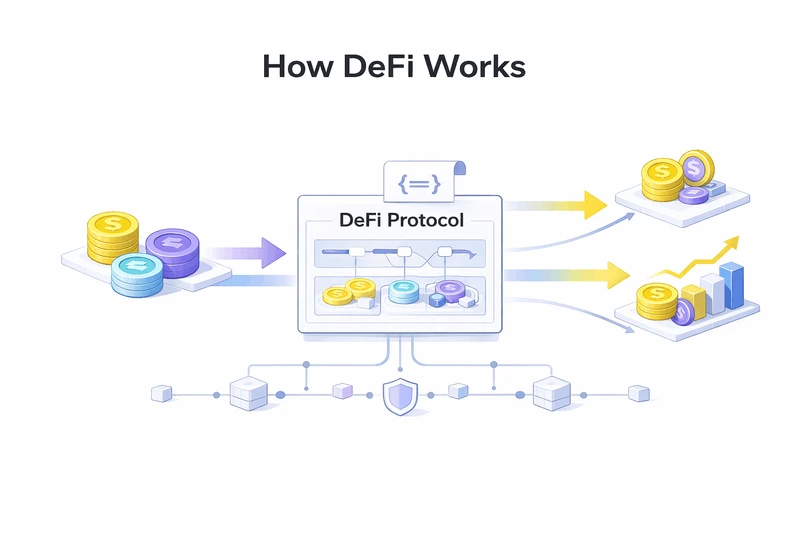
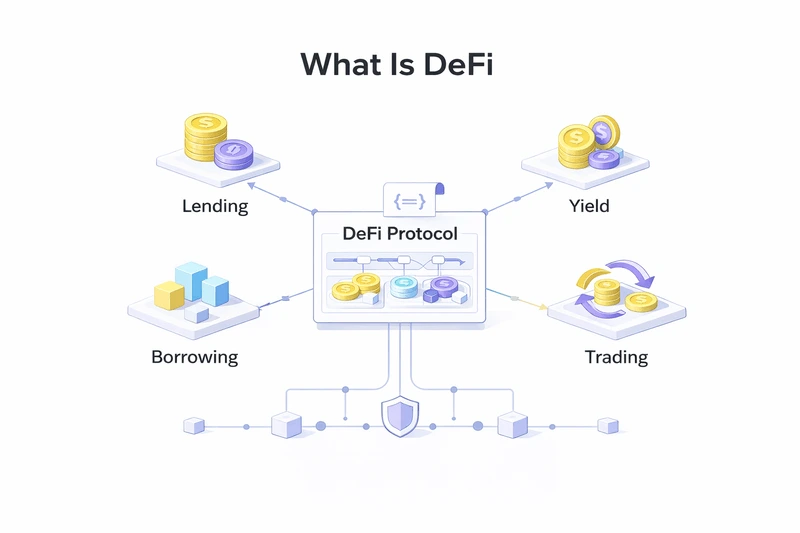
Read Article Decentralized finance, or DeFi, uses blockchain programs to provide services such as trading, lending, borrowing, payments, and asset management. On Solana, users interact with these programs from their wallets and approve transactions directly. The programs enforce their published rules, while markets, liquidity providers, borrowers, and external price feeds determine many of the economic outcomes.
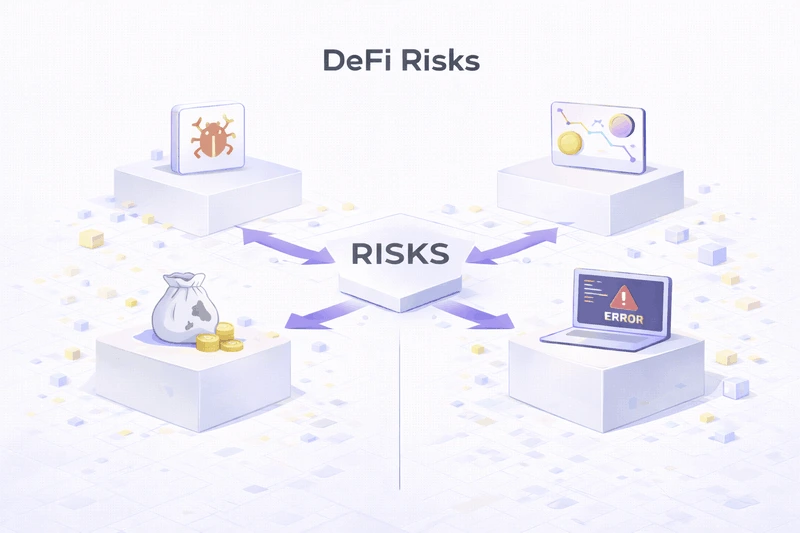
DeFi is composable: one token or position can be used by several protocols. That flexibility makes new strategies possible, but it also connects risks. A lending market may depend on an oracle, a liquidity pool may experience price divergence, and a strategy may combine several contracts. Transaction speed and low fees improve usability, but they do not remove financial or smart-contract risk.
A liquid staking token represents staked assets while remaining transferable. Depending on protocol support, holders may supply it to a lending market, use it as collateral, provide liquidity in a trading pool, or hold it in a strategy that combines staking rewards with other incentives. Returns should be separated into their sources, because staking yield, token rewards, fees, and leverage have different risk profiles.
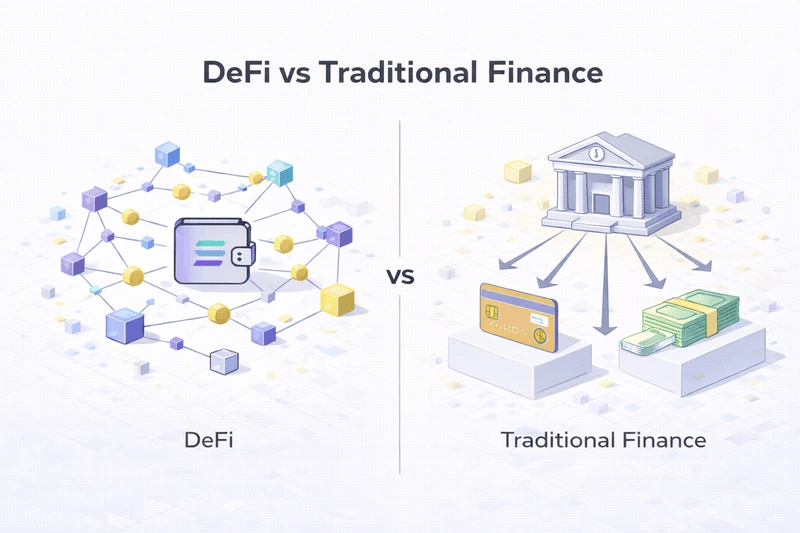
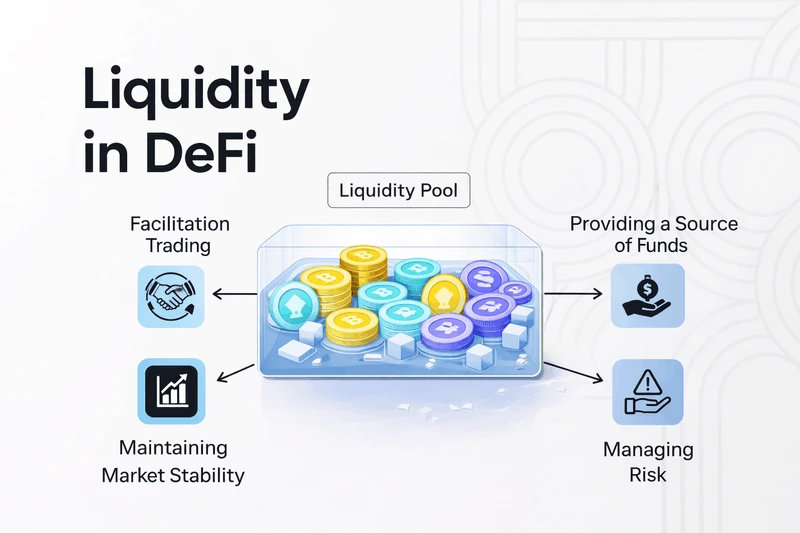
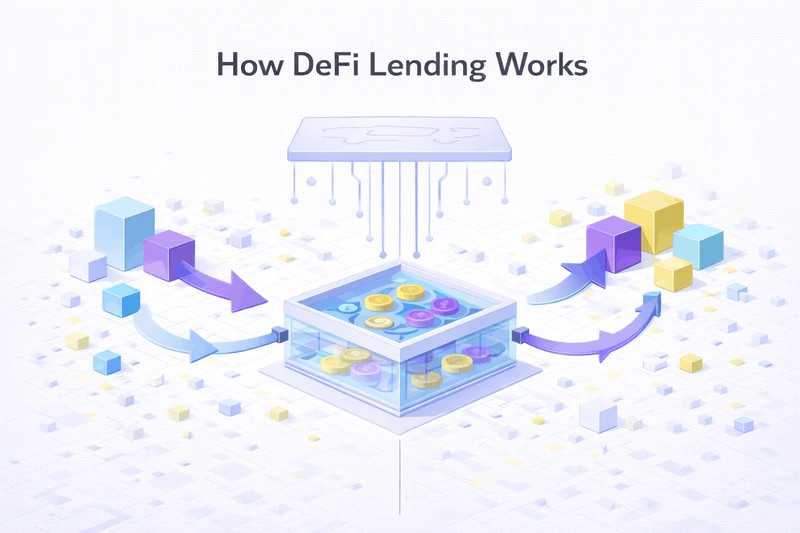
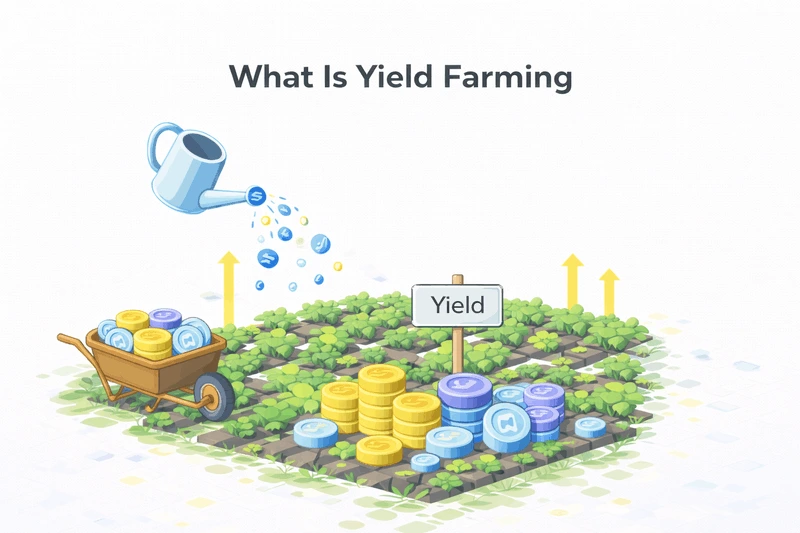
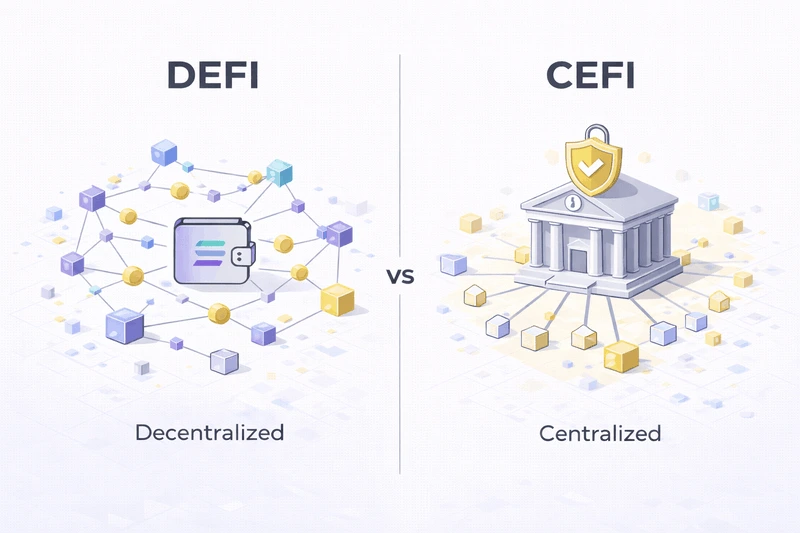
Before using a liquid staking token in DeFi, check redemption mechanics, market liquidity, price-oracle design, collateral limits, liquidation rules, contract audits, and every additional token involved. Higher displayed yield often means added exposure rather than free return. The guides below introduce liquidity, lending, yield farming, DeFi risks, and the differences between centralized, decentralized, and traditional financial services.
Start with the simplest position you can explain. Trace where funds are deposited, which contracts can move them, how returns are generated, and what conditions could prevent an exit. Then consider dependencies such as bridges, governance controls, oracles, and incentive tokens. This process makes it easier to compare strategies on risk-adjusted terms instead of treating every percentage shown by an interface as equivalent.