What Is Staking: How It Works and Why People Use It
Learn what staking is, how it works, why people use it, and how staking rewards are generated in blockchain networks.
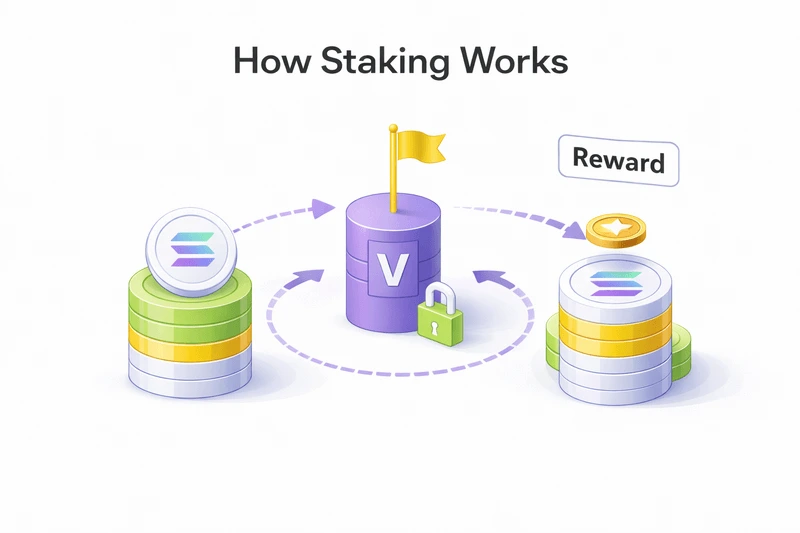
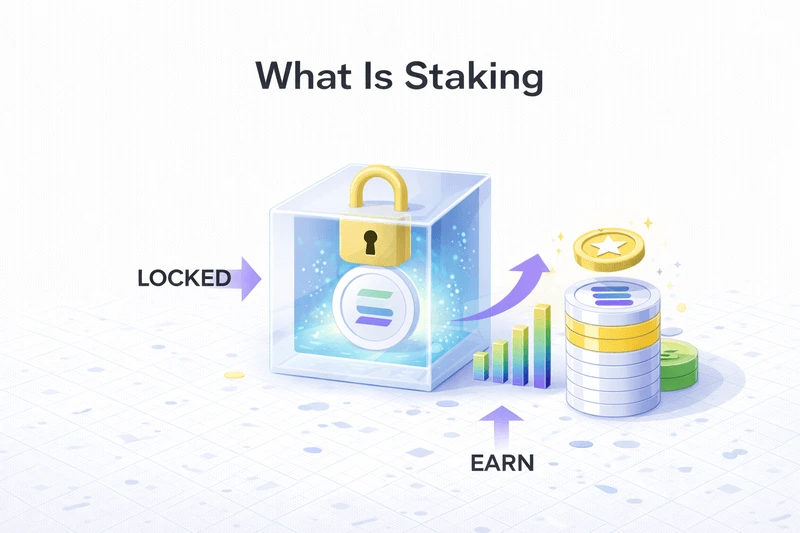
Read Article Solana staking means delegating SOL to a validator that participates in consensus. Delegated stake helps determine the weight of validator votes, so stake supports network security without transferring ownership of the tokens to the validator. In return, eligible delegators receive protocol rewards based on factors such as inflation, validator performance, commission, activation timing, and the amount of active stake.
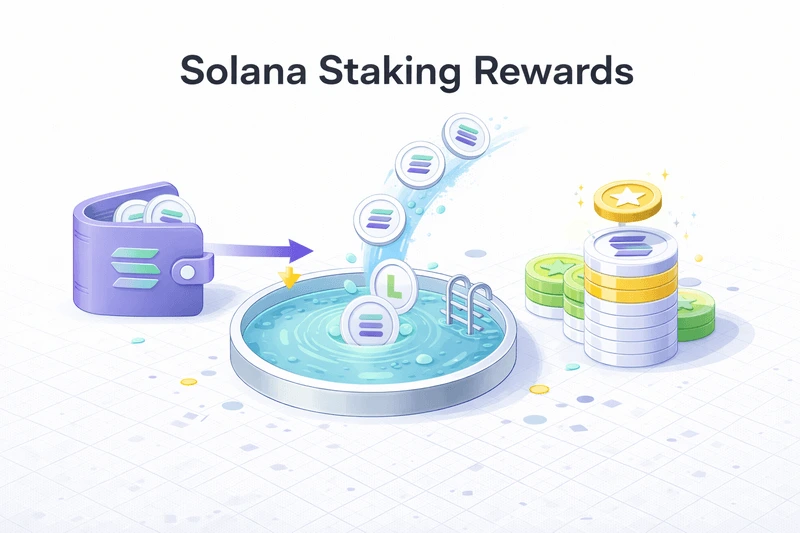
Native staking uses a stake account and follows Solana’s epoch schedule. A new delegation normally needs time to activate, and an unstaked position needs time to deactivate before the SOL becomes freely transferable. Rewards are not a guaranteed fixed rate: they can change as network inflation declines, total active stake changes, validators miss votes, or a validator adjusts its commission.
Liquid staking pools delegate SOL across validators and issue a token representing a share of the pooled stake and accumulated rewards. This makes staked value transferable and usable in DeFi, but it introduces risks beyond native delegation. Users should assess the stake-pool program, upgrade authority, validator allocation method, fees, reserve liquidity, audits, and the market price of the liquid staking token.
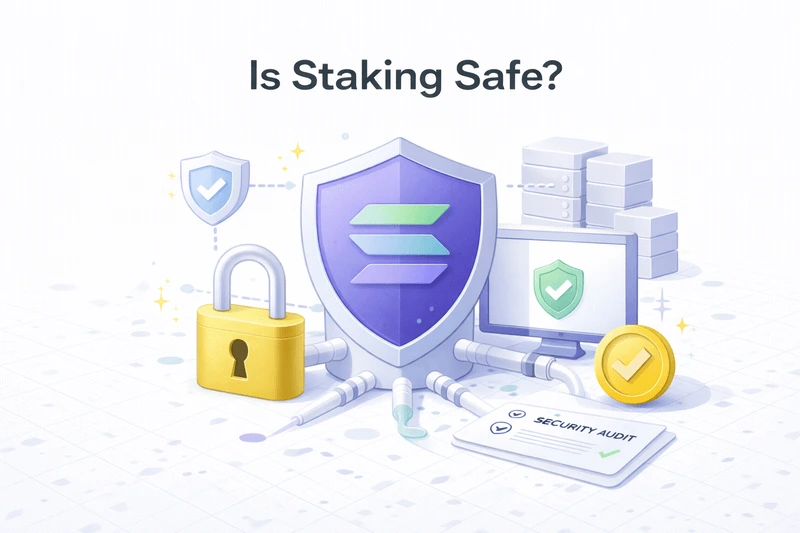
No staking method is risk-free. Native staking has validator, operational, and lock-up considerations; liquid staking additionally has smart-contract, liquidity, and integration risk. Using a liquid staking token as collateral or in a liquidity pool adds another protocol layer. The guides below compare these approaches, explain how rewards accrue, and show what to verify before staking or choosing an unstaking route.
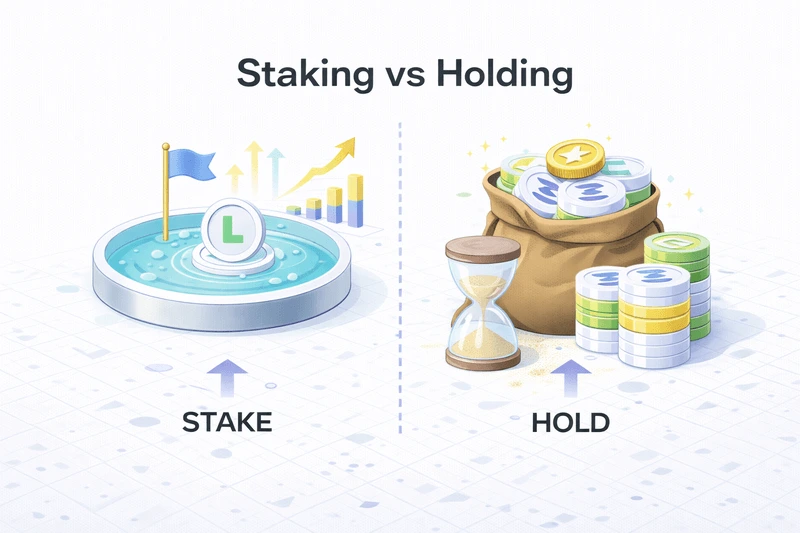
The right approach depends on the holder’s priorities. Someone who values simplicity may prefer direct delegation and accept activation periods, while an active DeFi user may value the portability of a liquid staking token. Compare net rewards after fees, the way each position can be exited, custody assumptions, and the consequences of using the asset in another protocol rather than choosing from APY alone.