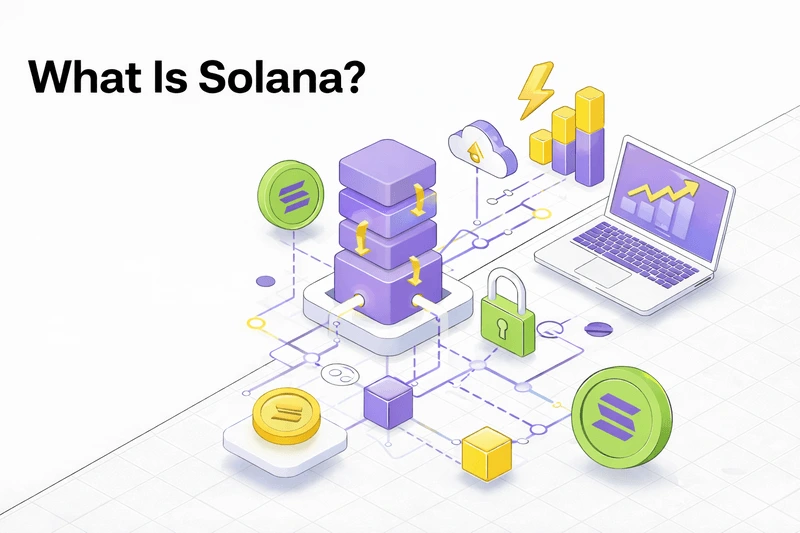
What Is Solana: A High-Performance Blockchain for DeFi, Staking, and Web3
Learn what Solana is, how it works at a high level, and why it is widely used for DeFi, staking, NFTs, and Web3 applications.
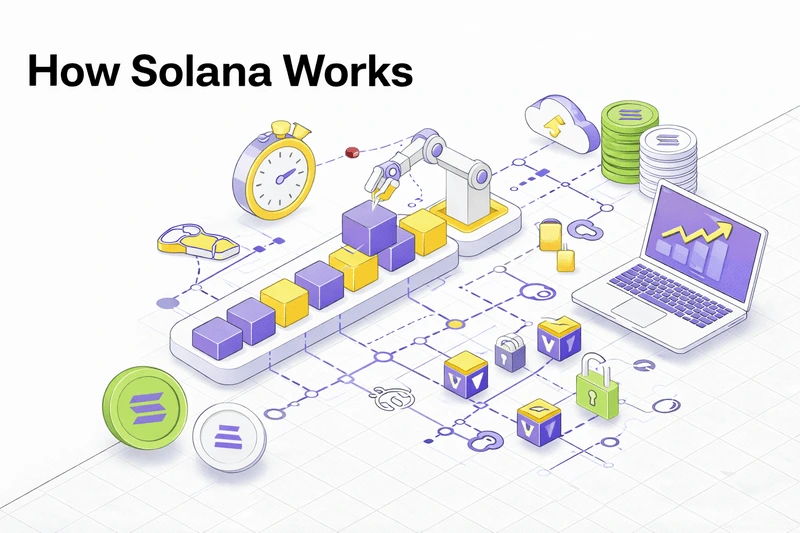
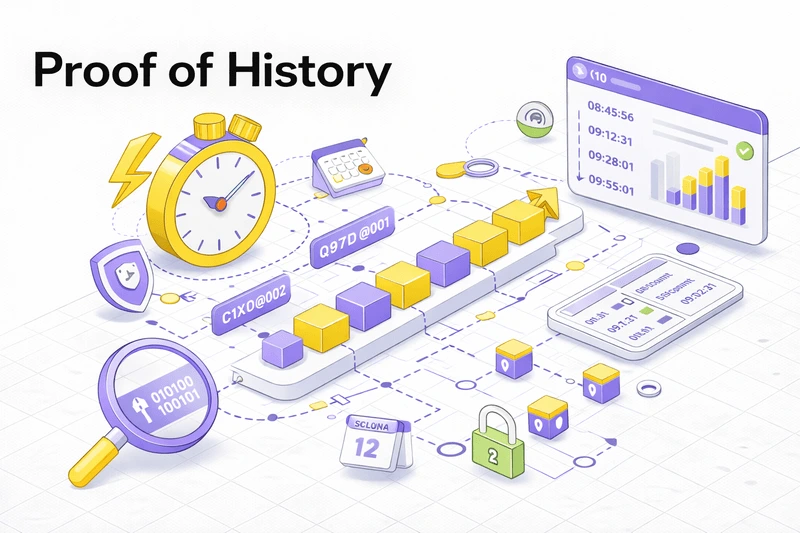
Read Article Solana is a general-purpose blockchain designed to process transactions quickly while keeping fees accessible. It combines Proof of Stake with Proof of History, a cryptographic clock that helps validators agree on the order of events. This shared timeline reduces coordination overhead, while scheduled leaders package transactions into blocks and the validator network confirms the resulting state.
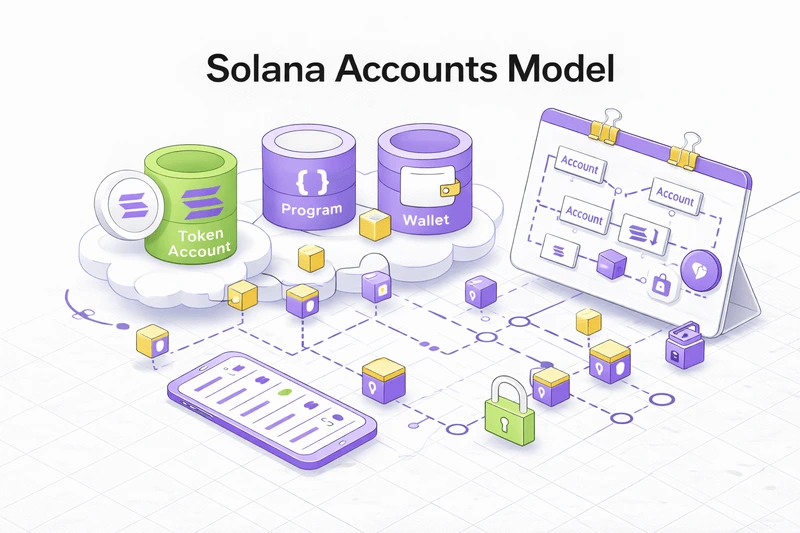
Applications on Solana are programs that read and update separate accounts. Because many transactions touch different accounts, the runtime can execute them in parallel instead of forcing every operation through one global queue. This account model supports exchanges, payment systems, games, staking protocols, and other applications that need predictable settlement without moving activity to a separate execution layer.
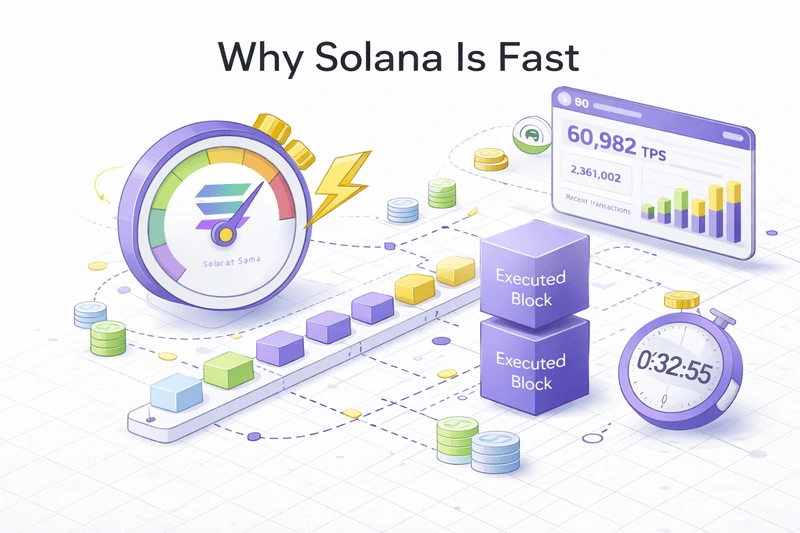
Solana’s performance comes from several parts working together: parallel transaction execution, efficient propagation of blocks, a rotating leader schedule, and validators running capable hardware with strong network connections. Actual throughput is not a fixed headline number. It changes with transaction complexity, account contention, demand, validator performance, and the mix of voting and user transactions moving through the network.
Speed is only one way to evaluate a blockchain. Users and builders should also examine validator diversity, stake concentration, client software, reliability, state growth, fee behavior, and the cost of operating infrastructure. The guides below explain these components individually, from Proof of History and Solana’s account model to consensus, performance, and the design choices that distinguish Solana from other networks.
A useful learning path starts with the network’s basic architecture, then moves into accounts, programs, transaction processing, and consensus. From there, performance claims are easier to evaluate in context. Readers can distinguish theoretical capacity from observed activity, understand why two applications may compete for the same writable accounts, and see how validator behavior connects infrastructure design to the experience of an ordinary user. This foundation also makes the deeper technical guides easier to evaluate.