What Is a Solana Validator: Role, Function, and Network Security
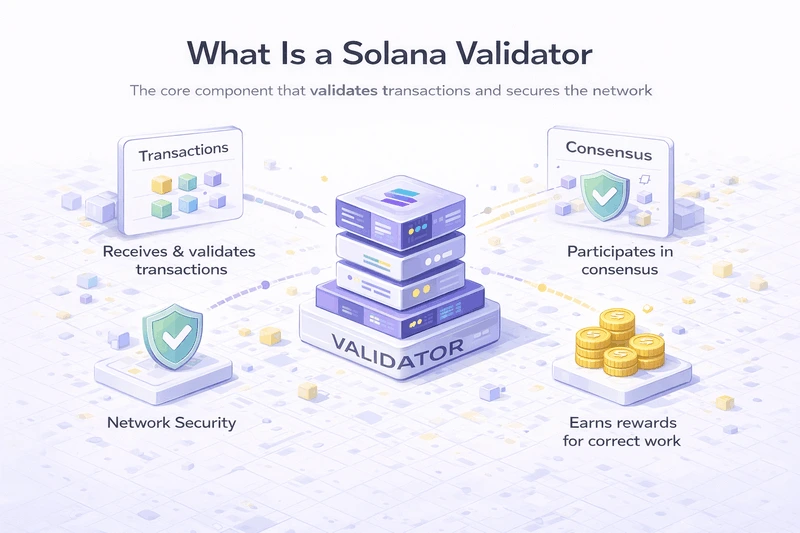
Learn what a Solana validator is, what validators do on the network, and why they are essential for Solana security and staking.
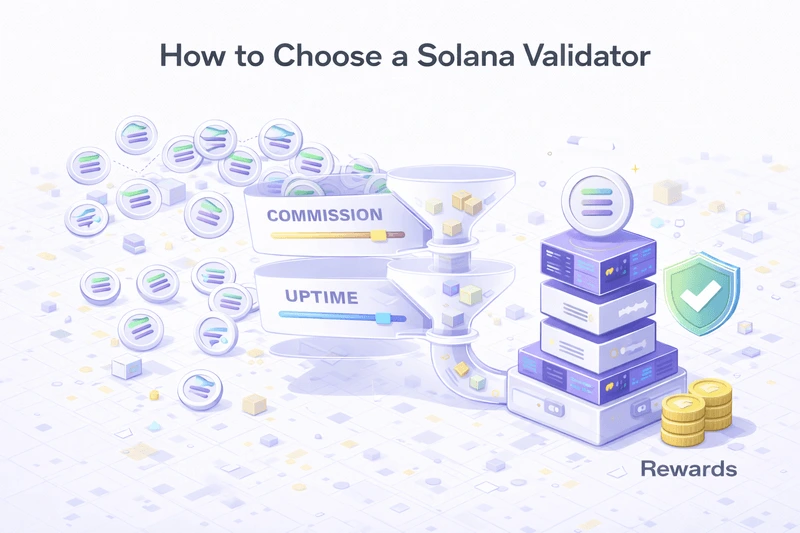
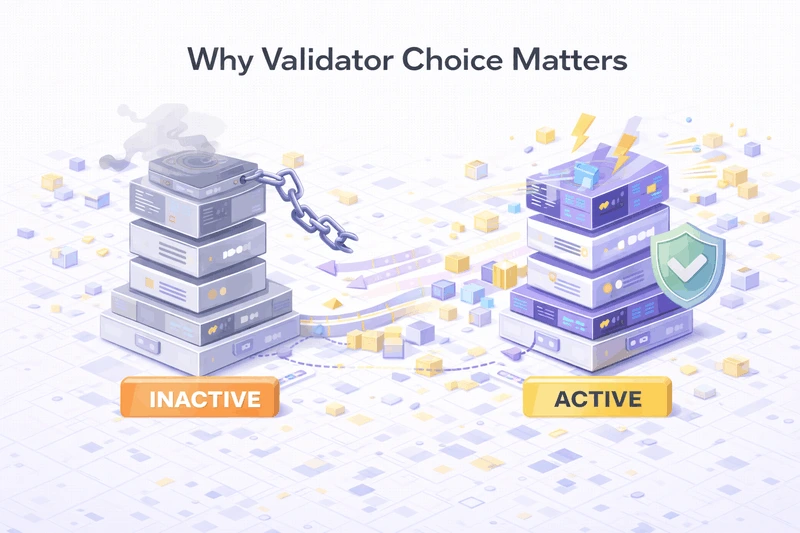
Read Article Choosing a Solana validator requires more than selecting the highest advertised APY. Start with consistent vote performance, recent delinquency, commission, identity information, software version, and a record of reliable operation across multiple epochs. A validator should publish enough information for delegators to understand who operates it, how it is maintained, and where to find updates when conditions change.
Delegation also affects the network as a whole. Sending more stake to already dominant operators can increase concentration, while a reliable independent validator can improve geographic, hosting, and operational diversity. That does not mean choosing an unknown operator without evidence. Compare performance and transparency together, avoid making a decision from one ranking, and review the validator again after delegating.
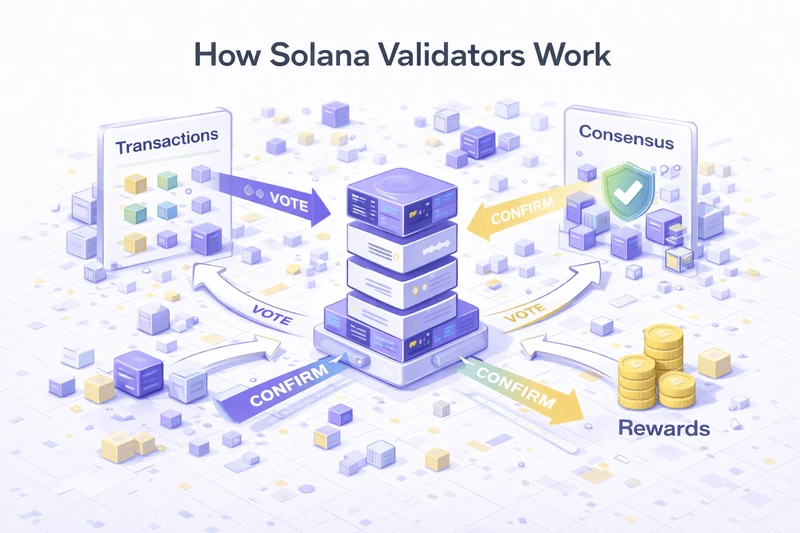
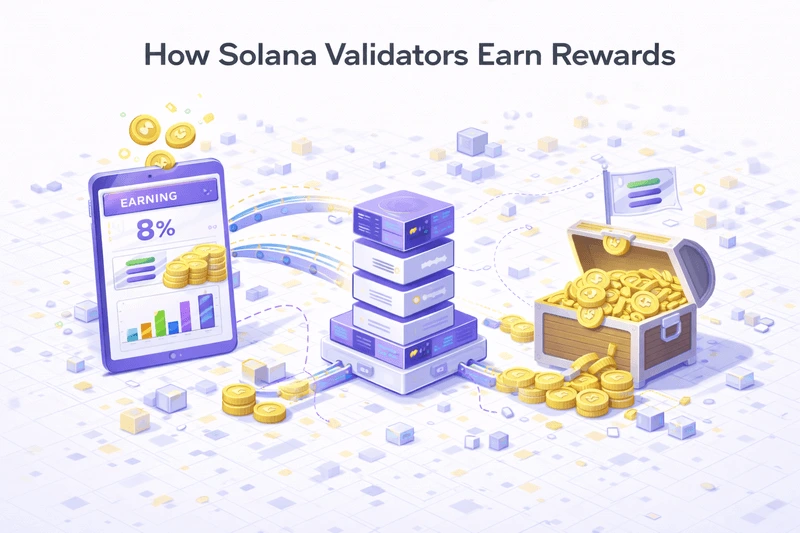
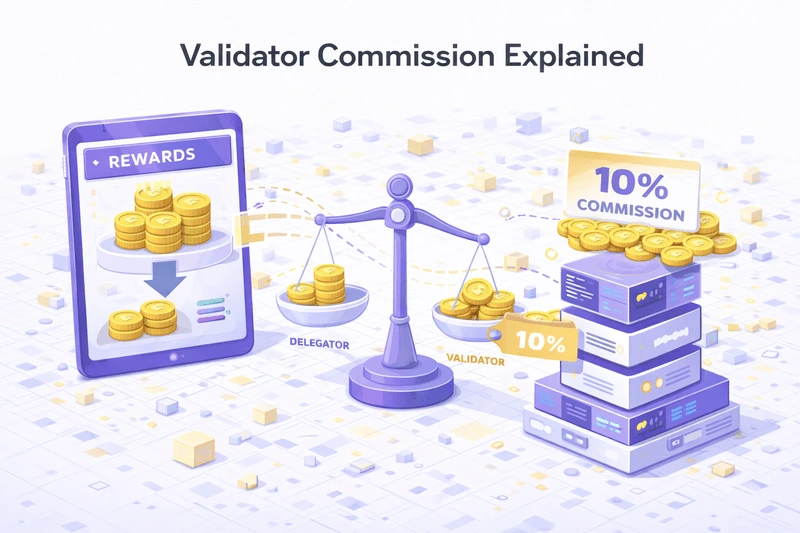
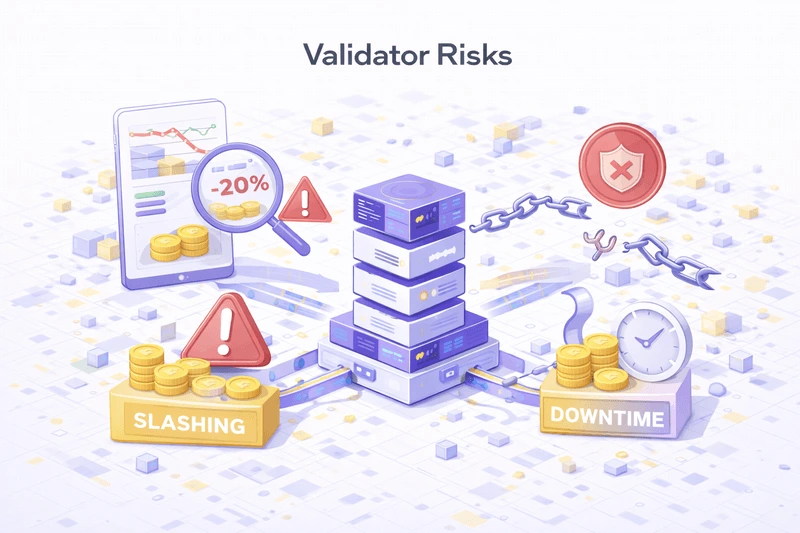
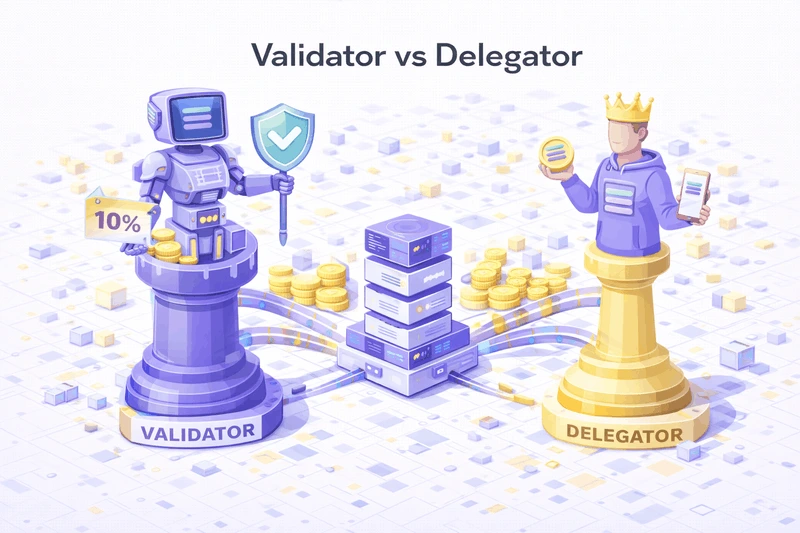
Validators earn vote credits by participating correctly in consensus, and those credits influence staking rewards. Missed votes, downtime, slow infrastructure, or network connectivity problems can reduce performance. Commission determines the validator’s share of earned rewards before the remainder reaches delegators. Some operators may also share other revenue, but the terms, sustainability, and associated dependencies should be evaluated separately.
Useful analysis looks across epochs rather than treating one snapshot as permanent. Commission can change, stake can move, software releases can affect performance, and an operator can switch data centers or infrastructure providers. The validator guides below explain voting, rewards, commission, concentration, operational risks, and the relationship between validators and delegators so readers can make an informed, repeatable selection.
There is no universal best validator for every delegator. A sensible shortlist balances competitive net rewards with operational history, clear communication, and a contribution to network diversity. After selecting one, monitor commission, delinquency, software updates, and identity changes periodically. Delegation is not a permanent endorsement: SOL can be redelegated when the evidence changes, subject to the normal activation and deactivation schedule. This makes validator selection an ongoing, evidence-based process.